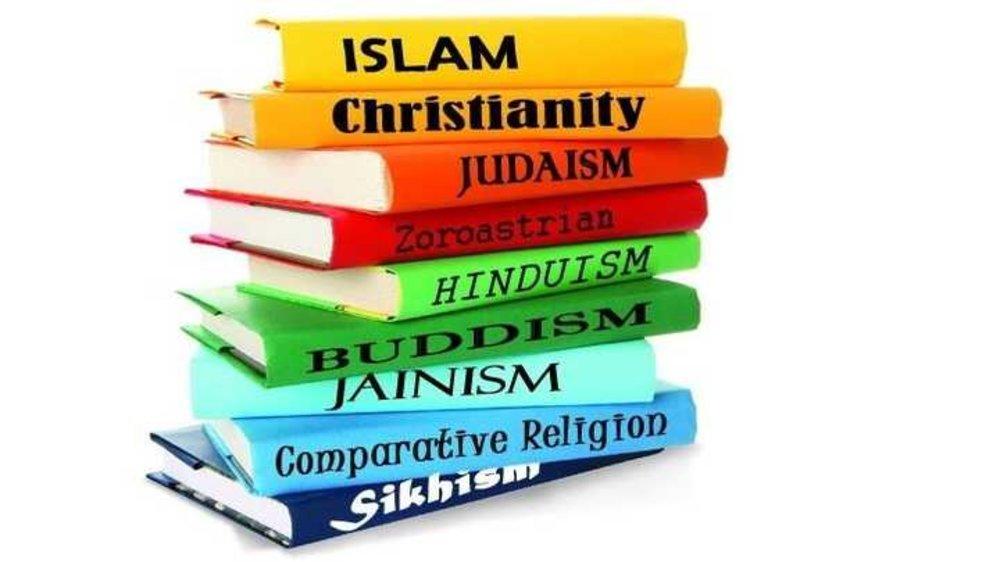
Religion has been a significant part of human history, influencing culture, morals, and beliefs. One of the most profound expressions of faith is through holy books, which serve as a source of guidance and wisdom for millions of people around the world. In this blog, we’ll explore the significance and impact of several of the most well-known holy books.
1. The Bhagavad Gita: The Bhagavad Gita is a Hindu scripture and is considered to be one of the most important spiritual classics of all time. The text is part of the larger Hindu epic, the Mahabharata, and contains 700 verses that provide guidance on the nature of reality, the purpose of life, and the path to enlightenment. The Bhagavad Gita is considered a source of inspiration and wisdom for Hindus, who view it as a divinely revealed text.
2. The Bible: The Bible is the holy book of Christianity and is divided into two main sections: the Old Testament and the New Testament. The Old Testament contains 39 books and is considered the history of the Jewish people. The New Testament contains 27 books and focuses on the life, teachings, and miracles of Jesus Christ. Christians believe the Bible to be the inspired word of God and use it as a source of guidance and comfort.
3. The Quran: The Quran is the holy book of Islam and is considered by Muslims to be the literal word of God, as revealed to the Prophet Muhammad over a period of 23 years. The Quran contains 114 chapters and is divided into sections called surahs. Muslims believe the Quran to be a source of guidance and inspiration, and they strive to live by its teachings.
4. The Tao Te Ching: The Tao Te Ching is a Chinese classic text and is the central scripture of Taoism. The text is a collection of 81 poems that provide guidance on the Tao, which is a concept that refers to the ultimate reality and the source of all things. The Tao Te Ching is considered a source of wisdom and inspiration for Taoists, who view it as a divinely revealed text.
5. The Book of Mormon: The Book of Mormon is a holy book of the Church of Jesus Christ of Latter-day Saints, commonly known as the Mormons. It is considered by members of the church to be a second witness of Jesus Christ, along with the Bible. The Book of Mormon is a collection of books written by ancient American prophets and contains the teachings and revelations given to them by God.
6. The Guru Granth Sahib: The Guru Granth Sahib is the holy book of Sikhism and is considered to be the living Guru of the Sikhs. It contains the teachings and hymns of the Sikh gurus and is used as a source of guidance and inspiration for Sikhs in their daily lives. The Guru Granth Sahib is considered sacred and is treated with the utmost respect by Sikhs, who view it as a source of wisdom and truth.
7. The Dhammapada: The Dhammapada is a Buddhist scripture and is one of the most widely read and quoted texts in Buddhist literature. The text contains 423 verses that provide teachings on ethics, wisdom, and meditation, and is used as a source of guidance and inspiration for Buddhists. The Dhammapada is considered to be a divinely revealed text, and its teachings are considered to be the words of the Buddha himself.
8. The Avesta: The Avesta is the holy book of Zoroastrianism and is a collection of sacred texts that contain the teachings and beliefs of the ancient Persian prophet, Zoroaster. The Avesta contains hymns, prayers, and rituals, and is used as a source of guidance and inspiration for Zoroastrians. The Avesta is considered sacred and is treated with the utmost respect by Zoroastrians, who view it as a source of wisdom and truth.
These are just a few of the many holy books that have been written throughout history. Each holy book holds unique significance and provides a unique perspective on the world and the meaning of life. Regardless of religious affiliation, these books have played a significant role in shaping the beliefs, practices, and cultures of countless individuals and communities throughout history, and their impact continues to be felt to this day.
In conclusion, holy books serve as a source of guidance and inspiration for people of faith. They offer teachings on morality, spirituality, and the meaning of life, and they have shaped the beliefs and practices of millions of people around the world. Whether you are religious or not, the impact and significance of these sacred texts cannot be denied, and they continue to inspire and influence people to this day.
 The Book Shelf