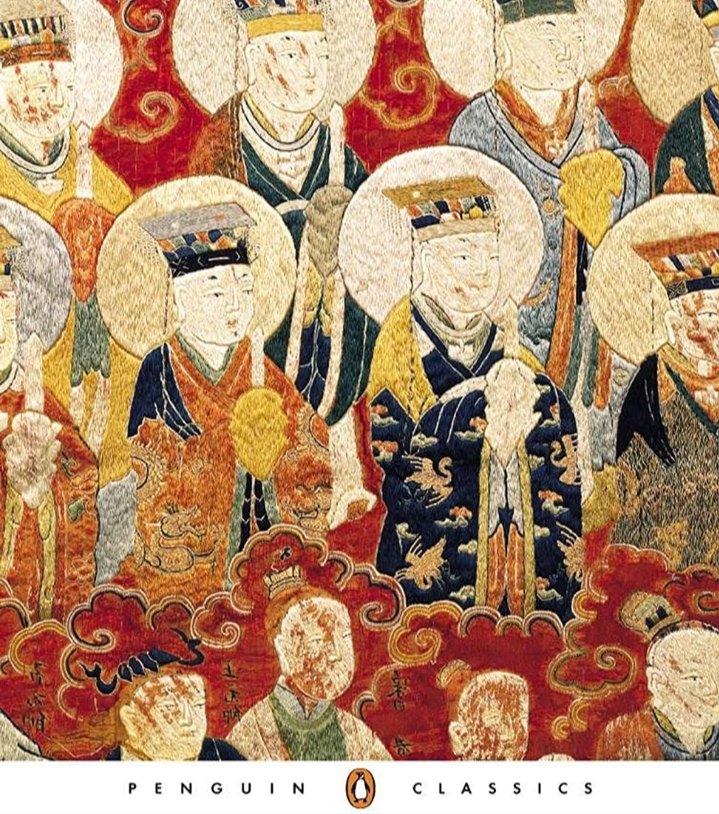
The Tao Te Ching is a classic Chinese text written by the ancient philosopher Lao Tzu. It is considered one of the most influential works in Chinese literature and has been widely translated into various languages throughout the world.
The Tao Te Ching is a collection of 81 poems and verses that offer insights into the nature of reality, the meaning of life, and the path to wisdom and inner peace. The text is often characterized by its use of paradox and paradoxical imagery to convey profound truths.
The central concept in the Tao Te Ching is the Tao, which can be translated as “the way” or “the path.” The Tao is seen as the underlying force or principle that governs the universe and all of its workings. The text teaches that by aligning ourselves with the Tao, we can live in harmony with the world and find inner peace.
One of the key themes in the Tao Te Ching is the importance of simplicity and humility. Lao Tzu teaches that the pursuit of wealth, power, and fame is futile and can only lead to suffering. Instead, he advocates for a life of simplicity and detachment, where one’s focus is on inner wisdom and spiritual growth.
Another key theme in the Tao Te Ching is the idea of non-action or “wu-wei.” This refers to the idea that true strength and power come not from action, but from stillness and detachment. Lao Tzu teaches that by letting go of our desires and attachments, we can achieve a state of peace and contentment.
The Tao Te Ching continues to be widely read and studied around the world, and its teachings have influenced a wide range of philosophical and spiritual traditions, including Taoism, Confucianism, and Zen Buddhism.
In conclusion, the Tao Te Ching is a timeless text that offers insights and wisdom for those seeking a deeper understanding of life and the universe. Whether you are looking to improve your spiritual practice, find inner peace, or simply gain a new perspective on the world, the Tao Te Ching is well worth a read.
“Discover the timeless wisdom of Tao Te Ching: Unlock the secrets to a harmonious life with ancient philosophy”.
 The Book Shelf