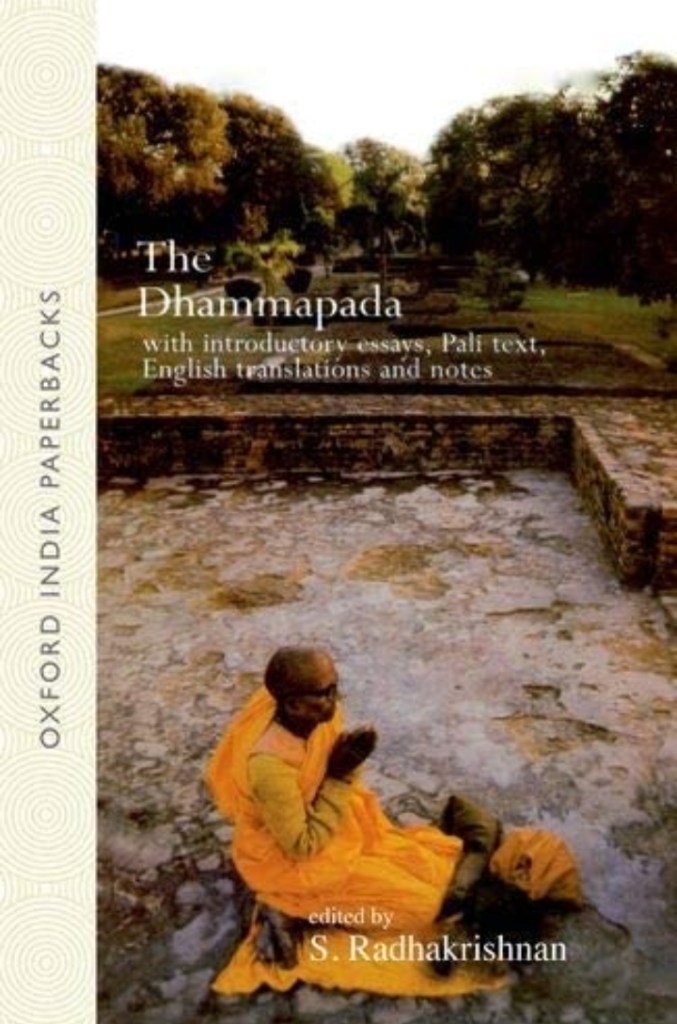
The Dhammapada: A Guide to Living with Wisdom and Compassion
The Dhammapada is one of the most widely read and revered Buddhist texts, and for good reason. This ancient collection of verses, thought to have been compiled in India in the 3rd century BCE, is a guide to living a virtuous and fulfilling life. The Dhammapada provides timeless wisdom and guidance on topics ranging from personal responsibility and self-awareness to ethical behavior and the nature of existence.
One of the key themes of the Dhammapada is the concept of karma, or the idea that our actions have consequences that shape our future experiences. The text encourages us to cultivate positive habits and thoughts, as they will bring us happiness and success in this life and in future lives. In contrast, negative actions and thoughts lead to suffering and dissatisfaction.
The Dhammapada also emphasizes the importance of mindfulness and self-reflection. By paying close attention to our thoughts and actions, we can gain a deeper understanding of our own motivations and tendencies. This awareness can help us to overcome negative habits and cultivate positive qualities, such as compassion and wisdom.
The verses of the Dhammapada are often poetic and powerful, and they encourage us to embrace the teachings of the Buddha and to strive for enlightenment. Some of the most famous verses from the text include:
“All that we are is the result of what we have thought.”
“Mind is everything; what we think, we become.”
“We are what we think. All that we are arises with our thoughts. With our thoughts, we make our world.”
Another important aspect of the Dhammapada is its emphasis on compassion and non-harm. The text encourages us to treat all beings with kindness and to refrain from causing harm to others. This includes not only physical harm, but also mental and emotional harm. By following this advice, we can cultivate a sense of inner peace and contribute to a more peaceful world.
In conclusion, the Dhammapada is a rich and powerful text that provides guidance on how to live a virtuous and fulfilling life. Its teachings on mindfulness, self-reflection, compassion, and non-harm are just as relevant today as they were over two thousand years ago. Whether you are a seasoned Buddhist or a newcomer to the tradition, the Dhammapada is a valuable and inspiring resource for anyone seeking to live a life of wisdom and compassion.
 The Book Shelf