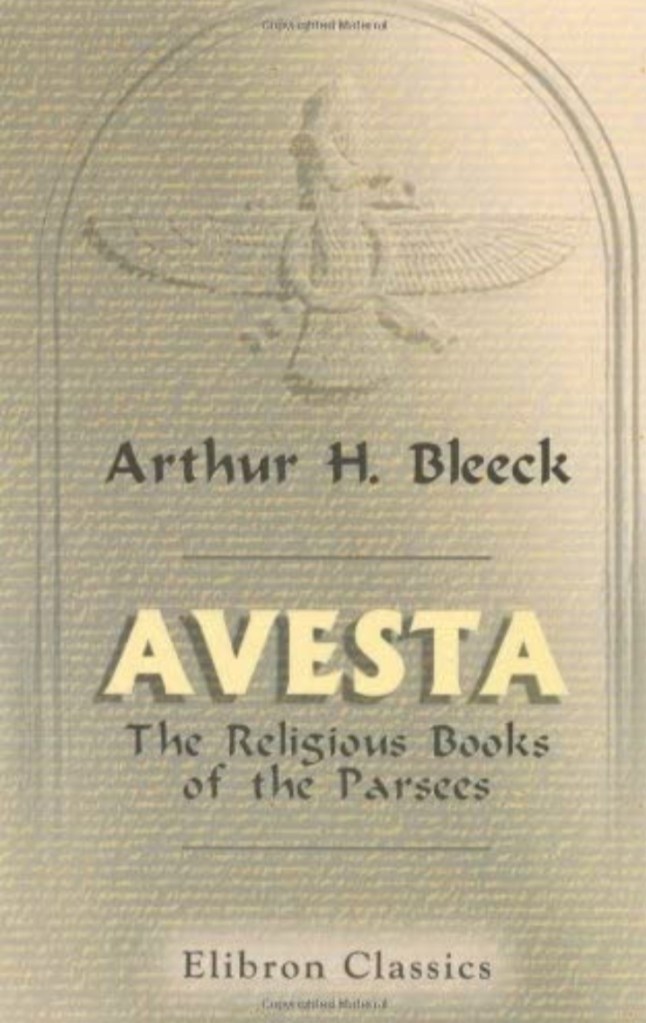
Zoroastrianism is one of the oldest religions in the world, with roots dating back to ancient Persia. At the heart of this faith lies the Avesta, a collection of sacred texts that guide the beliefs and practices of its followers. If you’re curious about the Avesta and want to learn more, this guide is for you.
What is the Avesta?
The Avesta is a collection of texts that serve as the primary scripture of Zoroastrianism. It was written in ancient Iranian languages, mainly in Avestan and Pahlavi. The texts were compiled over a long period of time, with the earliest parts likely dating back to the second millennium BCE.
The Avesta is divided into different sections, each with its own focus and purpose. The most important of these is the Gathas, a collection of hymns believed to have been composed by Zoroaster himself, the founder of the religion. The Gathas are considered to be the most sacred part of the Avesta, and they form the core of Zoroastrian worship.
Other sections of the Avesta include the Yasna, a collection of liturgical texts, and the Vendidad, a set of laws and rituals. There are also various prayers, hymns, and other writings that make up the rest of the text.
What does the Avesta teach?
The Avesta teaches a dualistic worldview, with the world divided between good and evil. The ultimate goal of Zoroastrianism is to promote the triumph of good over evil, and to help people live in harmony with the divine.
One of the key concepts in the Avesta is the idea of Asha, or truth and righteousness. Zoroastrians are called to live their lives in accordance with Asha, which means striving for honesty, morality, and justice in all their actions.
Another important concept is the belief in Ahura Mazda, the supreme deity who is the creator and sustainer of the universe. Zoroastrians believe that Ahura Mazda is the source of all goodness and that worshipping him is the path to a fulfilling and meaningful life.
How is the Avesta used in practice?
Zoroastrian worship typically involves reciting passages from the Avesta, along with various rituals and prayers. The texts are often chanted in Avestan, the original language of the text, although translations into other languages are also used.
One of the most important Zoroastrian ceremonies is the Yasna, a complex ritual that involves reciting parts of the Yasna section of the Avesta. The ceremony is usually performed in the presence of a priest, who is responsible for leading the congregation through the various steps of the ritual.
In addition to formal worship, the Avesta is also used in personal prayer and meditation. Many Zoroastrians recite specific passages from the text as part of their daily spiritual practice, using the words to guide their thoughts and actions.
Conclusion
The Avesta is a rich and complex text that plays a central role in the faith of Zoroastrians. Through its teachings, rituals, and prayers, the text helps followers of the religion connect with the divine and live a life of righteousness and goodness. By understanding the Avesta, we can gain a deeper appreciation of this ancient and vibrant religion and the role it continues to play in the lives of millions of people around the world.
“Discover the timeless wisdom of The Avesta and knowledge of the Zoroastrianism religion”.
 The Book Shelf