“The Brilliant Mind of Sherlock Holmes: A Journey Through His Greatest Adventures”

Sir Arthur Conan Doyle

About the author :- Sir Arthur Conan Doyle was a Scottish writer and physician, best known for creating the character of Sherlock Holmes, a fictional detective who quickly became a sensation among readers. Despite his success, Conan Doyle was a complex figure who struggled with personal demons, including depression and addiction. He was deeply affected by the loss of his son in World War I. Despite his personal struggles, Conan Doyle’s legacy as a writer endures, and his creation of Sherlock Holmes remains an enduring icon in the detective fiction genre.

“The Adventures of Sherlock Holmes” is a collection of twelve short stories by Sir Arthur Conan Doyle, first published in 1892. The stories are set in Victorian England and revolve around the brilliant detective, Sherlock Holmes, and his loyal friend and assistant, Dr. John Watson. Each story presents a new mystery to be solved, and readers are taken on a thrilling journey as Holmes uses his powers of deduction and reasoning to unravel each case.

One of the most notable aspects of the book is the character of Sherlock Holmes himself. He is a fascinating, complex character who has become an icon in the detective fiction genre. Holmes is often described as aloof, brilliant, and a bit eccentric. He has an exceptional ability to observe, deduce, and reason through complex problems, often solving cases that seem impossible to solve. Despite his exceptional talents, he is portrayed as a flawed and human character who struggles with addiction and loneliness.

The relationship between Holmes and Watson is another central element of the book. Watson is the perfect foil for Holmes, providing a more emotional and human perspective on the cases they encounter. Watson serves as Holmes’ chronicler, documenting their adventures and the detective’s remarkable insights into each case. The friendship between the two characters is warm and enduring, and it is one of the most appealing aspects of the book.

The twelve stories in “The Adventures of Sherlock Holmes” cover a wide range of subjects and settings. From murder and theft to kidnapping and political intrigue, each case is unique and challenging. Some of the most famous stories in the collection include “A Scandal in Bohemia,” “The Red-Headed League,” and “The Adventure of the Speckled Band.”

Each story is structured as a puzzle that Holmes must solve, and readers are invited to join him in the process of unraveling each mystery. The stories are full of twists and turns, and the solutions to the cases are often surprising and satisfying.

Overall, “The Adventures of Sherlock Holmes” is a classic work of detective fiction that has stood the test of time. The stories are engaging, the characters are compelling, and the mysteries are challenging. The book is a must-read for anyone who enjoys a good mystery or is interested in the history of the detective fiction genre. It is a testament to the enduring appeal of Sherlock Holmes and the remarkable talents of Sir Arthur Conan Doyle.

Click here to read

“Join the legendary detective Sherlock Holmes on a thrilling journey of mystery and intrigue in his greatest adventures, where his unparalleled intellect and powers of observation will leave you spellbound and craving for more.”

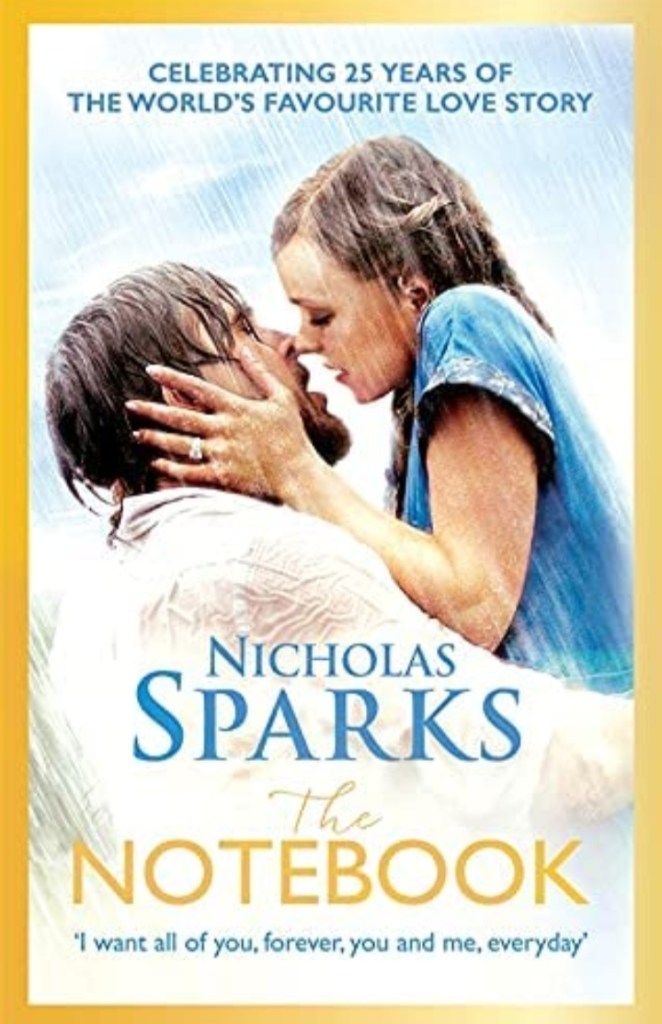
“The Notebook by Nicholas Sparks: A Timeless Romance Novel of Love, Loss, and Second Chances”

Nicholas Sparks

About the author :Nicholas Sparks is an American novelist, screenwriter, and producer. He was born in Omaha, Nebraska, in 1965, and grew up in California. He graduated from the University of Notre Dame in 1988 and began writing while working as a pharmaceutical salesman. He is the author of over 20 books, many of which have been adapted into successful films. Sparks is known for his heartfelt and emotionally charged writing, and his novels often explore themes of love, loss, and redemption. He is one of the most beloved and successful authors of contemporary romance fiction, with millions of copies of his books sold worldwide.

“The Notebook” is a novel written by Nicholas Sparks that was first published in 1996. The novel has since become a bestseller and has been adapted into a successful film, cementing its place as a beloved classic.

The novel tells the story of two young lovers, Noah and Allie, who meet and fall in love in the summer of 1946. Despite their deep connection, their relationship is eventually torn apart by their differing backgrounds and social classes, and they are forced to go their separate ways.

Years later, Noah and Allie are reunited, and the spark between them is rekindled. However, Allie is engaged to another man, and they must grapple with their feelings for one another while navigating the complexities of their past and present lives.

Sparks’ writing is known for its emotional depth and his ability to create relatable characters and gripping storylines. “The Notebook” is no exception, as the novel is both heartwarming and heartbreaking in equal measure. The story is a powerful testament to the enduring power of love, and it has resonated with readers for over two decades.

The novel’s success can be attributed to its relatable characters, evocative setting, and timeless themes. It explores the complexities of relationships and the impact of social class on love, while also touching on the themes of loss, regret, and forgiveness. The novel is a poignant reminder of the importance of treasuring the moments we have with the people we love and making the most of the time we have together.

In conclusion, “The Notebook” is a powerful and emotional novel that has captivated readers around the world. Its relatable characters, evocative setting, and timeless themes have made it a beloved classic that continues to resonate with readers today. Whether you’re a fan of romance novels or simply appreciate powerful storytelling, “The Notebook” is a must-read that is sure to leave a lasting impression.

Click here to read

“Experience the unforgettable love story of Noah and Allie in Nicholas Sparks’ heartwarming and emotional masterpiece, ‘The Notebook.’ Discover the enduring power of true love and the importance of treasuring every moment with the people we hold dear.”

Major books of some genres

Certainly! Here are a few more examples of books for each genre:

1. Romance:
“The Notebook” by Nicholas Sparks
“Jane Eyre” by Charlotte Bronte
“The Bridges of Madison County” by Robert James Waller
2. Mystery:
“The Girl with the Dragon Tattoo” by Stieg Larsson
“The Adventures of Sherlock Holmes” by Arthur Conan Doyle
“The Hound of the Baskervilles” by Arthur Conan Doyle
3. Thriller:
“The Silence of the Lambs” by Thomas Harris
“The Bourne Identity” by Robert Ludlum
“Jurassic Park” by Michael Crichton
4. Horror:
“Carrie” by Stephen King
“The Exorcist” by William Peter Blatty
“Frankenstein” by Mary Shelley
5. Fantasy:
“A Song of Ice and Fire” by George R.R. Martin
“The Wheel of Time” by Robert Jordan
The Name of the Wind” by Patrick Rothfuss
6. Science Fiction:
“Ender’s Gme” by Orson Scott Card
“The War of the Worlds” by H.G. Wells
“The Hitchhiker’s Guide to the Galaxy” by Douglas Adams
7. Crime:
“In Cold Blood” by Truman Capote
“The Silence of the Sea” by Yrsa Sigurdardottir
“The Godwulf Manuscript” by Robert B. Parker
8. Historical Fiction:
“The Pillars of the Earth” by Ken Follett
“All the Light We Cannot See” by Anthony Doerr
“Wolf Hall” by Hilary Mantel
9. Comedy:
“Catch-22” by Joseph Heller
“The Hitchhiker’s Guide to the Galaxy” by Douglas Adams
“A Confederacy of Dunces” by John Kennedy Toole
10. Young Adult:
The Hunger Games” by Suzanne Collins
“The Maze Runner” by James Dashner
“Divergent” by Veronica Roth
11. Children’s literature:
“Charlie and the Chocolate Factory” by Roald Dahl
“The Cat in the Hat” by Dr. Seuss
“The Giving Tree” by Shel Silverstein
12. Poetry:
“The Waste Land” by T.S. Eliot
“Leaves of Grass” by Walt Whitman
“The Love Song of J. Alfred Prufrock” by T.S. Eliot
13. Memoir:
“The Glass Castle” by Jeannette Walls
“Wild” by Cheryl Strayed
“Eat, Pray, Love” by Elizabeth Gilbert
14. Biography:
“Steve Jobs” by Walter Isaacson
“Alexander Hamilton” by Ron Chernow
“The Immortal Life of Henrietta Lacks” by Rebecca Skloot
15. Travel:
“A Walk in the Woods” by Bill Bryson
“Into the Wild” by Jon Krakauer
“The Alchemist” by Paulo Coelho
16. Self-help:
“How to Win Friends and Influence People” by Dale Carnegie
“The 4-Hour Work Week” by Timothy Ferriss
“The Power of Positive Thinking” by Norman Vincent Peale
17. Drama:
“Death of a Salesman” by Arthur Miller
“A Streetcar Named Desire” by Tennessee Williams
“The Crucible” by Arthur Miller
18. Historical romance:
“Gone with the Wind” by Margaret Mitchell
“The Outlander
19. Science:
“The Elegant Universe” by Brian Greene
“A Brief History of Time” by Stephen Hawking
“The Selfish Gene” by Richard Dawkins
20. Sports:
“Friday Night Lights” by H.G. Bissinger
“Seabiscuit” by Laura Hillenbrand
“The Boys in the Boat” by Daniel James Brown
21. Health and wellness:
“The 7 Habits of Highly Effective People” by Stephen Covey
“The Power of Now” by Eckhart Tolle
“The Whole30” by Melissa Hartwig and Dallas Hartwig
22. Art and photography:
“Ways of Seeing” by John Berger
“The Annotated Mona Lisa” by Carol Strickland
“On Photography” by Susan Sontag
23. Business and finance:
“Rich Dad, Poor Dad” by Robert Kiyosaki
“The Lean Startup” by Eric Ries
“Thinking, Fast and Slow” by Daniel Kahneman
24. Science fiction/fantasy:
“Harry Potter and the Philosopher’s Stone” by J.K. Rowling
“The Lord of the Rings” by J.R.R. Tolkien
“The Hunger Games” by Suzanne Collins

I will be covering one book everyday from different genres in my upcoming blogs so please stay connected and share if you like.

“A Guide to the Different Genres of Books”

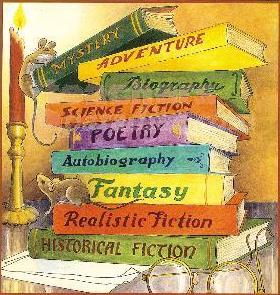
Books have been a source of entertainment and education for centuries, and with the growth of the publishing industry, there is an abundance of genres for every type of reader. From romance to science fiction, non-fiction to horror, there is a genre to suit every taste. In this blog post, we will explore the different genres of books that exist and what makes each of them unique.

1. Romance: Romance novels are one of the most popular genres in the publishing industry. These books typically focus on a romantic relationship between two main characters and can be set in various time periods and locations. The plot often revolves around the challenges and obstacles the couple must overcome to be together.

2. Science Fiction: Science fiction books take place in the future or in an alternate reality, where technology and science have advanced in ways that are beyond our current understanding. These books explore the possibilities of the future and can feature spaceships, robots, and extraterrestrial life.

3. Fantasy: Fantasy novels are set in imaginary worlds with magic and mythical creatures such as dragons, unicorns, and elves. These stories often revolve around a quest or an epic battle between good and evil.

4. Mystery: Mystery novels typically follow a detective or amateur sleuth who solves a crime or uncovers a conspiracy. These books can be set in any time period or location and often feature a twist ending that surprises the reader.

5. Horror: Horror novels aim to scare and unsettle the reader, often featuring supernatural or terrifying events. These books can range from ghost stories to slasher novels and are designed to create a feeling of dread and fear.

6. Thriller: Thriller novels are fast-paced and exciting, featuring action and suspense. They often involve a hero who must save the day from a villain or impending disaster.

7. Historical Fiction: Historical fiction novels are set in the past and often feature real historical events and figures. These books aim to educate the reader about a particular time period while also providing a compelling narrative.

8. Non-fiction: Non-fiction books provide information and facts about a particular topic, from biographies to self-help to memoirs. These books aim to educate and inform the reader about a particular subject matter.

9. Comedy: Comedy novels are intended to make the reader laugh. These books can be satire, parodies, or humorous stories that aim to provide comic relief.

10. Young Adult (YA): Young adult novels are written for readers aged 12-18 and typically feature teenage protagonists dealing with issues such as romance, family, and self-discovery.

11. Children’s literature: Children’s books are written for readers aged 0-12 and are often illustrated. These books can include picture books, chapter books, and middle-grade fiction.

12. Poetry: Poetry is a form of literature that uses language to evoke emotion and imagination. These books can feature a variety of themes, styles, and forms of poetry.

13. Memoir: Memoirs are autobiographical accounts of a person’s life. These books can be about a particular period or event in the author’s life or cover their entire life story.

14. Biography: Biographies are books that tell the story of a person’s life. These books can be about historical figures, celebrities, or everyday people who have made an impact on society.

15. Travel: Travel books focus on a particular destination or experience and often provide insight into the culture and history of the place being visited.

16. Self-help: Self-help books provide advice and strategies for personal growth, development, and improvement. These books can cover a range of topics from relationships to mental health to career advice.

17. Drama: Drama books are usually written as a script and are intended to be performed on stage or screen. These stories focus on human relationships, conflicts, and emotions, often with a serious tone.

18. Historical romance: Historical romance novels are set in the past and focus on a romantic relationship between two main characters. The plot often revolves around the challenges and obstacles the couple must overcome due to societal norms, customs, or events of the time.

19. Science writing: Science writing books are written to explain complex scientific concepts to a general audience. These books can cover a range of topics from biology to physics to environmental science.

20. Sports: Sports books can be fictional or non-fictional and focus on a particular sport, athlete, or team. These books can explore the history, strategy, and psychology of sports.

21. Art and photography: Art and photography books feature images and information related to the visual arts. These books can cover art history, famous artists, photography techniques, and more.

22. Music: Music books can focus on the history, theory, or appreciation of music. These books can cover a range of genres from classical to rock to hip hop.

23. Philosophy: Philosophy books explore questions about the nature of reality, ethics, and human existence. These books can be written in a variety of styles and cover a range of philosophical traditions.

24. Business: Business books provide advice, insights, and strategies for success in the business world. These books can cover a range of topics from leadership to entrepreneurship to finance.

In conclusion, there are many genres of books, each offering a unique perspective and reading experience. By exploring different genres, readers can broaden their understanding of the world, learn new things, and gain insight into the human experience. Whether you enjoy drama, historical romance, or science writing, there is a book for every taste.

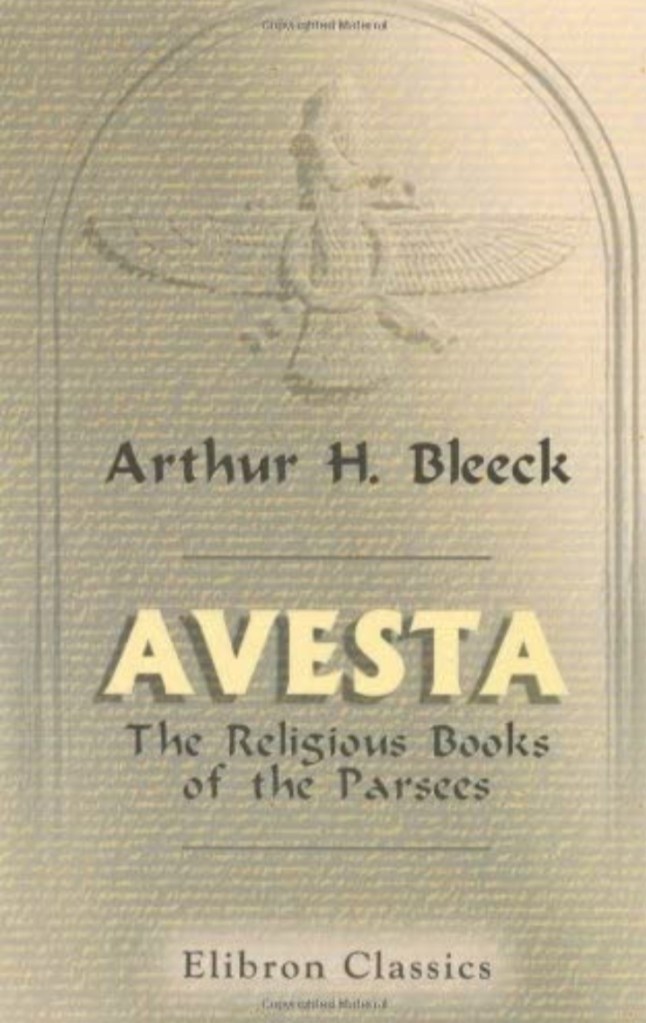
“The Avesta: A Comprehensive Guide to Zoroastrianism’s Sacred Texts”

Buy now

Zoroastrianism is one of the oldest religions in the world, with roots dating back to ancient Persia. At the heart of this faith lies the Avesta, a collection of sacred texts that guide the beliefs and practices of its followers. If you’re curious about the Avesta and want to learn more, this guide is for you.

What is the Avesta?

The Avesta is a collection of texts that serve as the primary scripture of Zoroastrianism. It was written in ancient Iranian languages, mainly in Avestan and Pahlavi. The texts were compiled over a long period of time, with the earliest parts likely dating back to the second millennium BCE.

The Avesta is divided into different sections, each with its own focus and purpose. The most important of these is the Gathas, a collection of hymns believed to have been composed by Zoroaster himself, the founder of the religion. The Gathas are considered to be the most sacred part of the Avesta, and they form the core of Zoroastrian worship.

Other sections of the Avesta include the Yasna, a collection of liturgical texts, and the Vendidad, a set of laws and rituals. There are also various prayers, hymns, and other writings that make up the rest of the text.

What does the Avesta teach?

The Avesta teaches a dualistic worldview, with the world divided between good and evil. The ultimate goal of Zoroastrianism is to promote the triumph of good over evil, and to help people live in harmony with the divine.

One of the key concepts in the Avesta is the idea of Asha, or truth and righteousness. Zoroastrians are called to live their lives in accordance with Asha, which means striving for honesty, morality, and justice in all their actions.

Another important concept is the belief in Ahura Mazda, the supreme deity who is the creator and sustainer of the universe. Zoroastrians believe that Ahura Mazda is the source of all goodness and that worshipping him is the path to a fulfilling and meaningful life.

How is the Avesta used in practice?

Zoroastrian worship typically involves reciting passages from the Avesta, along with various rituals and prayers. The texts are often chanted in Avestan, the original language of the text, although translations into other languages are also used.

One of the most important Zoroastrian ceremonies is the Yasna, a complex ritual that involves reciting parts of the Yasna section of the Avesta. The ceremony is usually performed in the presence of a priest, who is responsible for leading the congregation through the various steps of the ritual.

In addition to formal worship, the Avesta is also used in personal prayer and meditation. Many Zoroastrians recite specific passages from the text as part of their daily spiritual practice, using the words to guide their thoughts and actions.

Conclusion

The Avesta is a rich and complex text that plays a central role in the faith of Zoroastrians. Through its teachings, rituals, and prayers, the text helps followers of the religion connect with the divine and live a life of righteousness and goodness. By understanding the Avesta, we can gain a deeper appreciation of this ancient and vibrant religion and the role it continues to play in the lives of millions of people around the world.

“Discover the timeless wisdom of The Avesta and knowledge of the Zoroastrianism religion”.

“The Dhammapada: Navigating Life’s Journey with Wisdom and Compassion”

Buy now

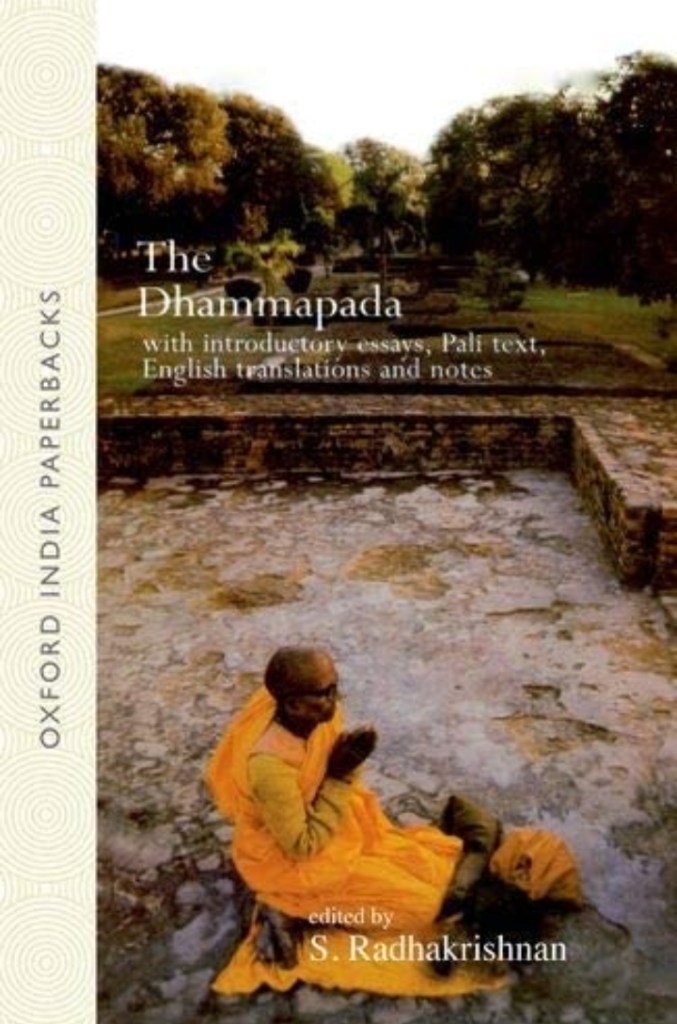
The Dhammapada: A Guide to Living with Wisdom and Compassion

The Dhammapada is one of the most widely read and revered Buddhist texts, and for good reason. This ancient collection of verses, thought to have been compiled in India in the 3rd century BCE, is a guide to living a virtuous and fulfilling life. The Dhammapada provides timeless wisdom and guidance on topics ranging from personal responsibility and self-awareness to ethical behavior and the nature of existence.

One of the key themes of the Dhammapada is the concept of karma, or the idea that our actions have consequences that shape our future experiences. The text encourages us to cultivate positive habits and thoughts, as they will bring us happiness and success in this life and in future lives. In contrast, negative actions and thoughts lead to suffering and dissatisfaction.

The Dhammapada also emphasizes the importance of mindfulness and self-reflection. By paying close attention to our thoughts and actions, we can gain a deeper understanding of our own motivations and tendencies. This awareness can help us to overcome negative habits and cultivate positive qualities, such as compassion and wisdom.

The verses of the Dhammapada are often poetic and powerful, and they encourage us to embrace the teachings of the Buddha and to strive for enlightenment. Some of the most famous verses from the text include:

“All that we are is the result of what we have thought.”
“Mind is everything; what we think, we become.”
“We are what we think. All that we are arises with our thoughts. With our thoughts, we make our world.”
Another important aspect of the Dhammapada is its emphasis on compassion and non-harm. The text encourages us to treat all beings with kindness and to refrain from causing harm to others. This includes not only physical harm, but also mental and emotional harm. By following this advice, we can cultivate a sense of inner peace and contribute to a more peaceful world.

In conclusion, the Dhammapada is a rich and powerful text that provides guidance on how to live a virtuous and fulfilling life. Its teachings on mindfulness, self-reflection, compassion, and non-harm are just as relevant today as they were over two thousand years ago. Whether you are a seasoned Buddhist or a newcomer to the tradition, the Dhammapada is a valuable and inspiring resource for anyone seeking to live a life of wisdom and compassion.

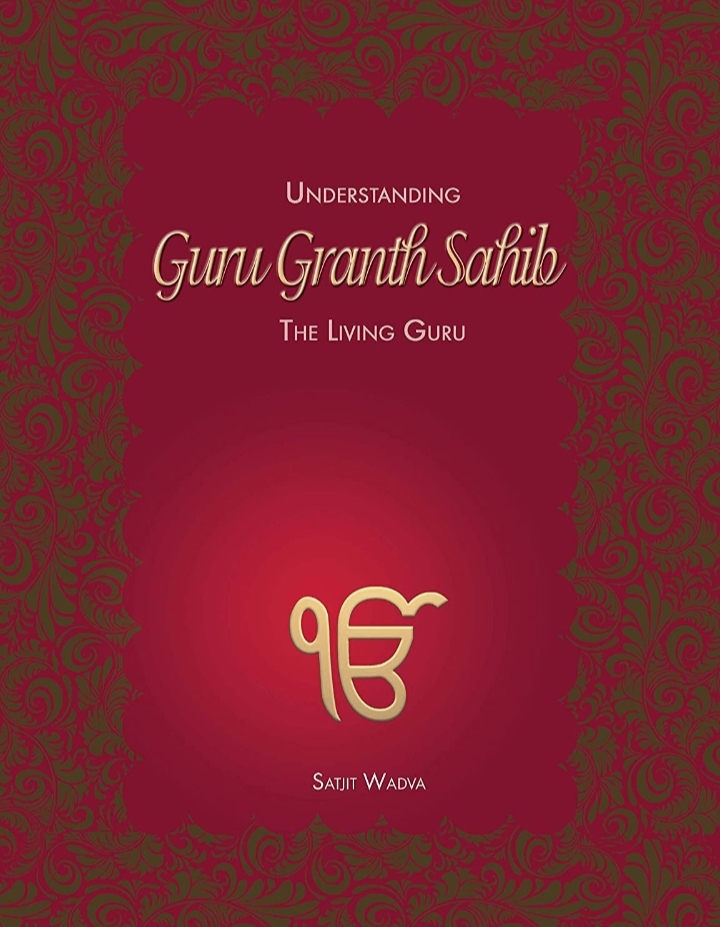
“Explore the Significance and Importance of the Guru Granth Sahib in Sikhism”

Buy now

The Guru Granth Sahib, also known as the Adi Granth, is the holy scripture of the Sikh religion. It is considered the final and eternal guru of the Sikhs and is revered as a living embodiment of the Sikh Gurus who created it. In this blog, we will explore the significance, history, and importance of the Guru Granth Sahib in the Sikh community.

The Guru Granth Sahib was compiled by the fifth Sikh Guru, Guru Arjan Dev, in the late 16th century. It contains hymns and teachings from the Sikh Gurus, as well as hymns from Hindu and Muslim saints and sages, reflecting the inclusive nature of the Sikh religion. The scripture is written in the Gurmukhi script and contains over 1430 pages, covering a wide range of topics including love, compassion, justice, and the nature of God.

One of the key aspects of the Guru Granth Sahib is its emphasis on the equality of all individuals, regardless of caste, gender, or religion. This message is reflected in the diverse range of voices included in the scripture, including not just the Sikh Gurus but also Hindu and Muslim saints and sages. This message of equality and inclusiveness has been a guiding principle of the Sikh community throughout its history.

The Guru Granth Sahib is also considered a living embodiment of the Sikh Gurus, and is treated with the utmost respect and reverence by the Sikh community. It is always covered in fine cloth and placed on a raised platform in a gurdwara, the Sikh place of worship, where it is attended to by designated caretakers known as granthis. It is also never placed on the ground and is always carried with great ceremony during processions.

In addition to its religious significance, the Guru Granth Sahib has also played a central role in shaping Sikh culture and identity. It contains many hymns and teachings that have been passed down through generations and have become an integral part of Sikh tradition and music. The scripture is also widely considered to be one of the most important literary works in the Punjabi language, and has had a profound influence on Punjabi literature and culture.

In conclusion, the Guru Granth Sahib is a deeply revered and important scripture in the Sikh religion. It is a living embodiment of the Sikh Gurus, a source of guidance and inspiration for Sikhs, and a symbol of the inclusive and compassionate principles of the Sikh faith. Whether you are a Sikh or not, the Guru Granth Sahib is a fascinating and enlightening text that is well worth exploring.

“Discover the timeless teachings and values of the Guru Granth Sahib, the holy scripture of Sikhism, with our in-depth exploration of its history, significance, and impact on Sikh culture.”

“The Book of Mormon: A Divinely Inspired Guide to Faith, Repentance, and Obedience”

Buy now

The Book of Mormon is a religious text of the Latter Day Saint movement, which was published in 1830 by Joseph Smith, the founder of the movement. The book is considered to be a divinely inspired scripture, in addition to the Bible, by members of the Church of Jesus Christ of Latter-day Saints, who are also known as Mormons.

The Book of Mormon tells the story of an ancient American civilization and their dealings with God. The book begins with a group of Israelites who migrated to the Americas and their descendants, who were visited by God and taught by prophets. The text also contains accounts of Christ’s visit to the Americas after his crucifixion and resurrection, as well as teachings and moral lessons.

The Book of Mormon is divided into several books, each named after its main character, such as the First Book of Nephi, the Second Book of Nephi, and so on. The books contain both historical accounts and spiritual teachings, and are intended to provide guidance and inspiration to readers.

One of the key themes in the Book of Mormon is the importance of faith, repentance, and obedience to God’s commandments. The text also emphasizes the importance of family, community, and service to others. Mormons believe that the book is a testament to the truth of the gospel of Jesus Christ, and that it provides additional insight and understanding into the nature of God and his plan for humanity.

Critics of the Book of Mormon have challenged its authenticity and historicity, as well as its place alongside the Bible as a divinely inspired scripture. However, for Mormons, the Book of Mormon remains an important part of their religious beliefs and practices, and continues to be a source of inspiration and guidance for millions of people around the world.

In conclusion, the Book of Mormon is a significant religious text for the Latter Day Saint movement, and continues to be an important source of faith, inspiration, and guidance for its members. Whether or not one accepts the book as a divinely inspired scripture, its impact on the lives of its followers and on the larger religious landscape is undeniable.

“Understanding Tao Te Ching: A Comprehensive Guide to Ancient Chinese Philosophy”

Buy now

The Tao Te Ching is a classic Chinese text written by the ancient philosopher Lao Tzu. It is considered one of the most influential works in Chinese literature and has been widely translated into various languages throughout the world.

The Tao Te Ching is a collection of 81 poems and verses that offer insights into the nature of reality, the meaning of life, and the path to wisdom and inner peace. The text is often characterized by its use of paradox and paradoxical imagery to convey profound truths.

The central concept in the Tao Te Ching is the Tao, which can be translated as “the way” or “the path.” The Tao is seen as the underlying force or principle that governs the universe and all of its workings. The text teaches that by aligning ourselves with the Tao, we can live in harmony with the world and find inner peace.

One of the key themes in the Tao Te Ching is the importance of simplicity and humility. Lao Tzu teaches that the pursuit of wealth, power, and fame is futile and can only lead to suffering. Instead, he advocates for a life of simplicity and detachment, where one’s focus is on inner wisdom and spiritual growth.

Another key theme in the Tao Te Ching is the idea of non-action or “wu-wei.” This refers to the idea that true strength and power come not from action, but from stillness and detachment. Lao Tzu teaches that by letting go of our desires and attachments, we can achieve a state of peace and contentment.

The Tao Te Ching continues to be widely read and studied around the world, and its teachings have influenced a wide range of philosophical and spiritual traditions, including Taoism, Confucianism, and Zen Buddhism.

In conclusion, the Tao Te Ching is a timeless text that offers insights and wisdom for those seeking a deeper understanding of life and the universe. Whether you are looking to improve your spiritual practice, find inner peace, or simply gain a new perspective on the world, the Tao Te Ching is well worth a read.

“Discover the timeless wisdom of Tao Te Ching: Unlock the secrets to a harmonious life with ancient philosophy”.

“Understanding the Quranic Teachings: A Guide to Ethics, Morality, and Science”

The Quran: A Divine Guide to Understanding the World

The Quran is the central religious text of Islam and is considered by Muslims to be the word of God, revealed to the prophet Muhammad through the angel Gabriel over a period of 23 years. It contains 114 chapters (surahs) and is divided into verses (ayahs) that address a wide range of topics, from ethics and morality to the nature of the universe and the afterlife.

One of the key themes of the Quran is the unity of all people and the importance of treating others with kindness and respect, regardless of their religion or background. The Quran emphasizes the importance of compassion, generosity, and forgiveness, and encourages Muslims to lead a life of righteousness and to constantly strive for personal and moral growth.

The Quran also addresses the issue of faith and belief in God. It explains that belief in God is a central aspect of a fulfilling life, and that those who believe and follow God’s commandments will be rewarded in the afterlife. The Quran also provides guidance on how to live a righteous life and how to treat others with kindness and compassion.

Another important theme of the Quran is the concept of justice. The Quran stresses that all people are equal in the eyes of God, and that everyone should be treated with fairness and justice. The Quran also encourages Muslims to work towards creating a just society by speaking out against oppression and inequality.

In addition to its religious and moral teachings, the Quran also contains scientific information that has been proven to be accurate. For example, the Quran describes the development of the fetus in the womb and the formation of the earth in a way that is consistent with modern scientific understanding.

The Quran is a valuable source of guidance and inspiration for Muslims all over the world, and its teachings continue to shape the lives of millions of people today. Whether you are a Muslim or not, the Quran offers a unique perspective on the world and provides a powerful message of hope and compassion.

In conclusion, the Quran is a divine guide to understanding the world, providing guidance and insight into a wide range of topics. Its teachings on compassion, justice, and faith continue to inspire and influence people today, making it an important and enduring text that is widely revered and respected.

Buy now (English)
Buy now(Hindi)

 “Discover the timeless wisdom of the Quran – Embrace its teachings for a meaningful and fulfilling life.  

Design a site like this with WordPress.com
Get started