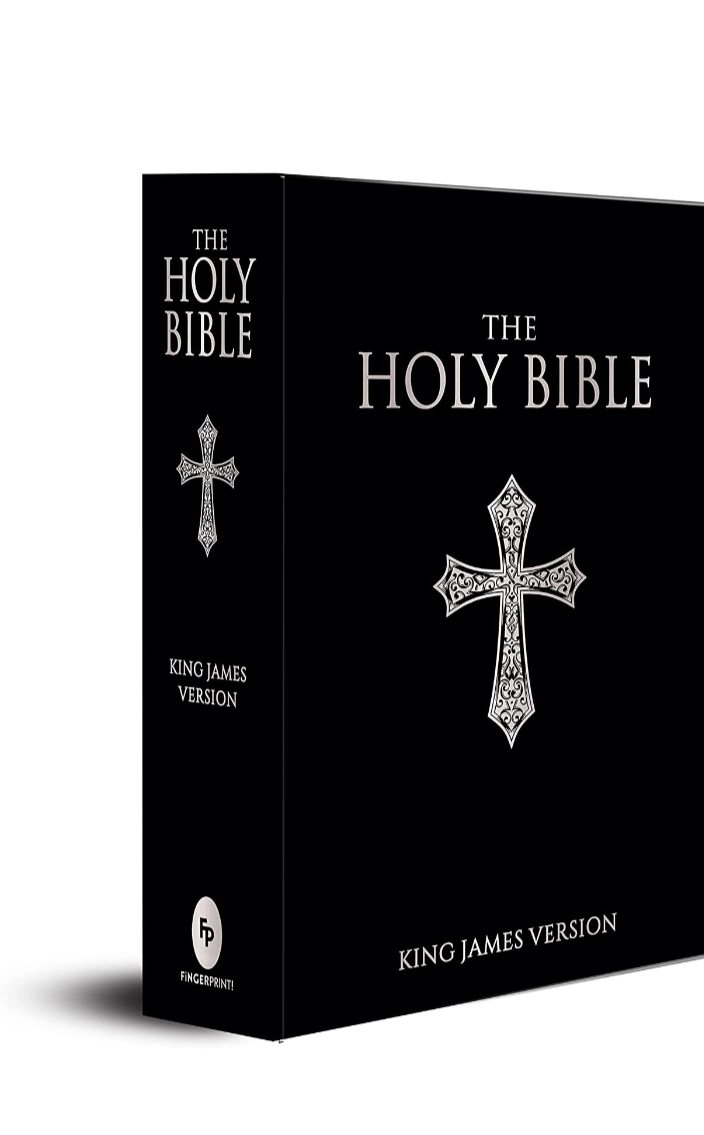
The Bible is a collection of 66 books, written by various authors over thousands of years, that is considered sacred by Christians. It is divided into two main sections: the Old Testament and the New Testament. The Old Testament contains 39 books and provides an account of the history of the Jewish people and the events leading up to the birth of Jesus Christ. The New Testament contains 27 books and focuses on the life and teachings of Jesus, as well as the early Christian church.
One of the main themes of the Bible is the concept of salvation through faith in God. Christians believe that by accepting Jesus as their savior, they can have eternal life with God. The Bible also stresses the importance of living a life of love, compassion, and obedience to God’s will.
The Bible has had a profound impact on the world and continues to be one of the most widely read and influential books in human history. It has shaped the morals, values, and beliefs of countless individuals and entire societies, and has been instrumental in shaping the course of Western civilization.
In addition to its religious significance, the Bible is also recognized as a literary masterpiece. Its powerful stories, poems, and historical accounts have been studied and admired for centuries, and its enduring impact can be seen in countless works of art, literature, and music.
Despite its importance and impact, the Bible is not without its controversies and challenges. Scholars have long debated its historical accuracy, and different interpretations of its teachings have led to religious and political disputes throughout history.
Regardless of one’s personal beliefs or opinions, the Bible remains a critical text that continues to inspire and influence millions of people around the world. Whether viewed as a religious text or simply as a work of literature, its impact on human history is undeniable and its legacy continues to endure.
“Discover the timeless wisdom and enduring messages of hope in The Bible: The ultimate guide to a life of meaning and purpose.”
 The Book Shelf