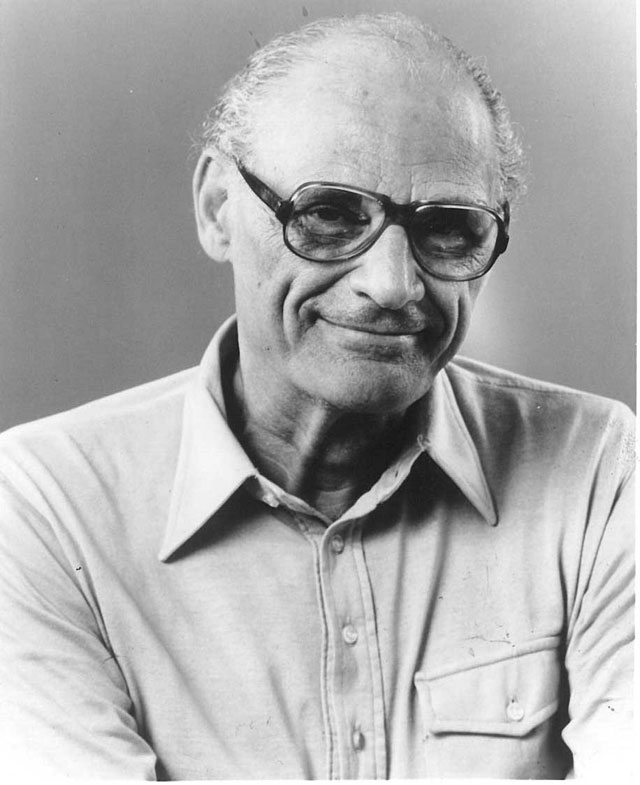
About the author :- Arthur Miller (1915-2005) was an American playwright, essayist, and influential figure in 20th-century American theater. He was born in New York City and his best-known plays include “Death of a Salesman,” “The Crucible,” and “A View from the Bridge.” Miller was known for his explorations of social issues and his critiques of American society. He was also an outspoken political activist and a prominent figure in the anti-war and civil rights movements. Miller’s work continues to be studied and performed around the world, and he remains one of the most celebrated and respected playwrights of the modern era.
The novel :- “The Crucible”
Arthur Miller’s “The Crucible” is a powerful and haunting play set during the Salem witch trials of the late 1600s. The play explores the themes of fear, hysteria, and accusation, and shows how these forces can lead to devastating consequences for individuals and society as a whole.
The story is set in Salem, Massachusetts, in 1692, and revolves around the accusations of witchcraft that swept through the town. The play’s protagonist is John Proctor, a farmer who becomes caught up in the witch trials when his servant girl, Abigail Williams, accuses his wife of witchcraft. As the accusations multiply, more and more people are arrested and put on trial, and the town is consumed by fear and paranoia.
One of the most powerful themes of “The Crucible” is the way that fear and hysteria can take hold of a community and spread like a disease. The play shows how rumors and accusations can snowball, and how people can become convinced of things that are not true simply because they are afraid. In the case of the witch trials, the fear was fueled by a combination of religious fanaticism, social anxiety, and economic tensions, and it led to the deaths of many innocent people.
Another key theme of “The Crucible” is the way that individuals can be swept up in events that are beyond their control. John Proctor, for example, is a man who is trying to live a decent life and keep his family together, but he is drawn into the witch trials by his affair with Abigail Williams. As the accusations mount, he becomes increasingly desperate to clear his name and save his wife, but he finds himself trapped in a system that is rigged against him.
At the heart of the play is the question of personal integrity. John Proctor is a flawed character, but he is also a man of principle who is unwilling to compromise his beliefs, even when it means sacrificing himself. In the end, he chooses to die rather than confess to a crime he did not commit, and his final words, “I have given you my soul; leave me my name!” are a powerful testament to the importance of personal honor and dignity.
“The Crucible” is a powerful and thought-provoking play that speaks to some of the most fundamental issues of human nature. Its themes of fear, hysteria, and accusation are as relevant today as they were in Miller’s time, and its message about the importance of personal integrity and standing up for what is right is a timeless one. If you haven’t read it yet, I highly recommend giving it a try.
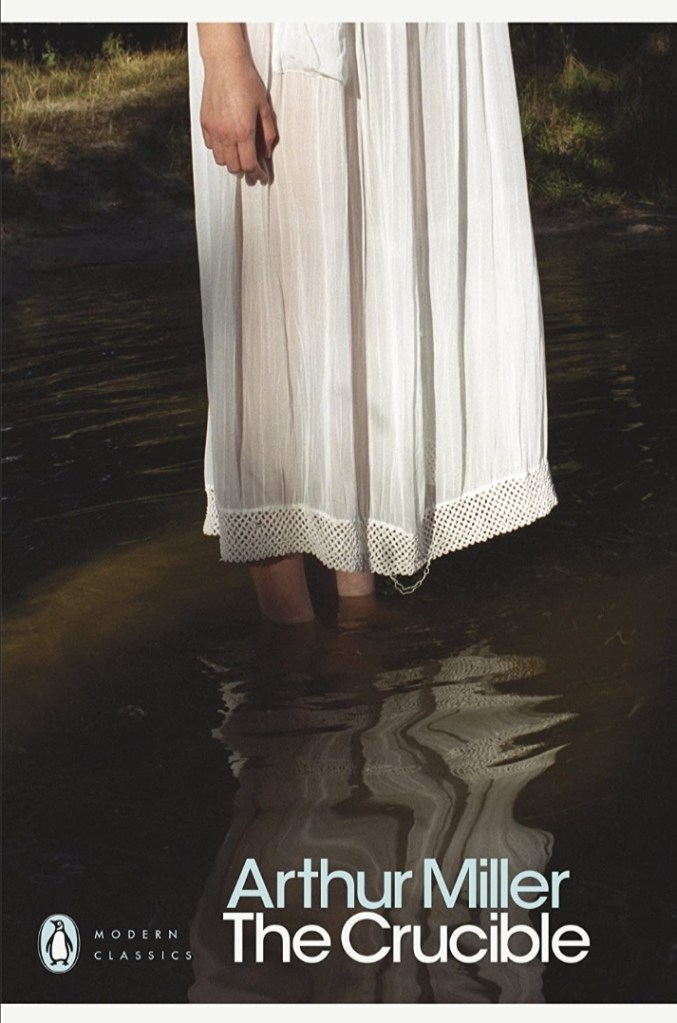
“Experience the timeless power of Arthur Miller’s words with ‘The Crucible’ – a haunting tale of fear, hysteria, and personal integrity that will leave you breathless!”
 The Book Shelf